🛠️ Product Description
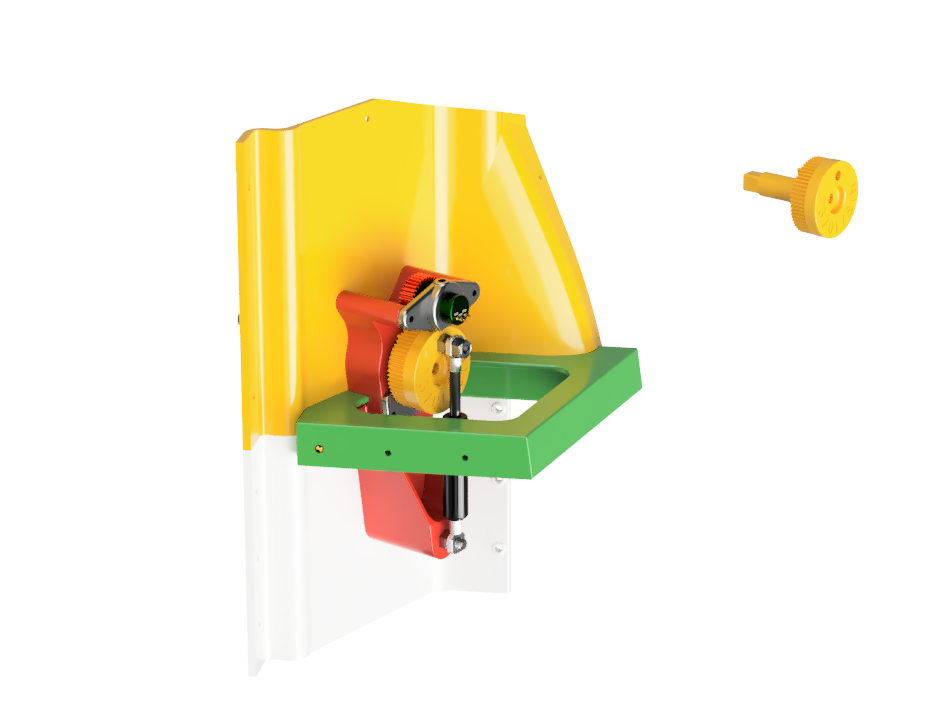
This servo‑operated Boeing 737 Start Switch is a fully redesigned, highly reliable alternative to traditional solenoid‑based mechanisms used in home cockpit building. The entire system has been engineered to be simpler, stronger, more compact, and far more efficient than previous generations—while remaining fully printable and editable.
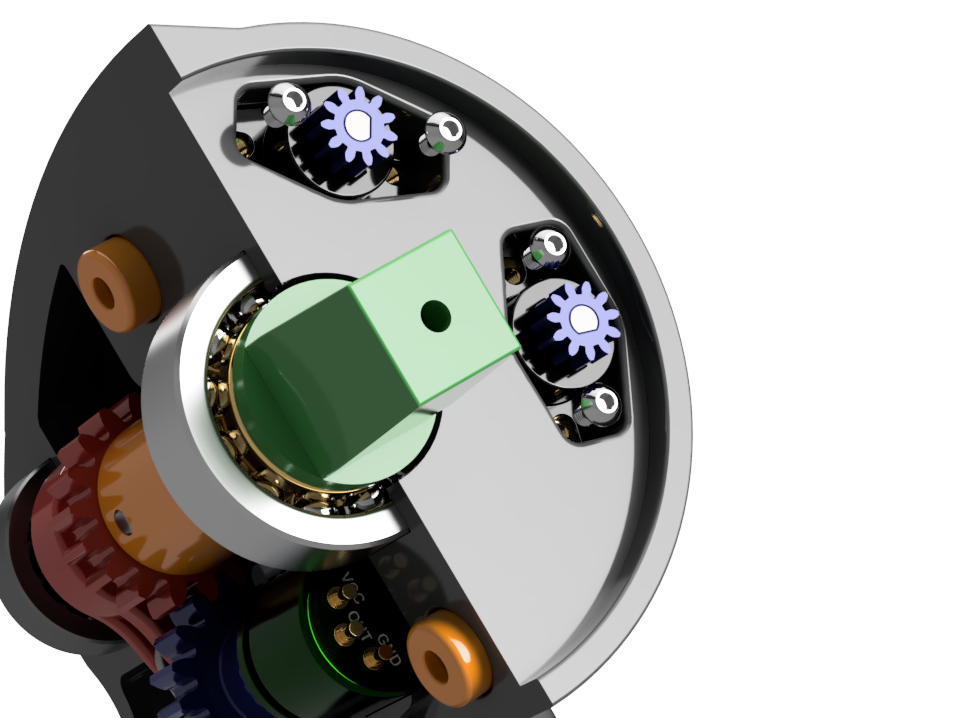
At the core of the mechanism is the MG90S micro‑servo (180°), replacing bulky inductive solenoids that require high current and tend to weaken over time. This solution delivers smooth, consistent return‑to‑center motion, reduced power load, and dramatically improved durability.
The switch includes a push‑to‑turn safety mechanism: the knob must be pressed down before rotating clockwise or anticlockwise, just like the real aircraft.
This download contains both 3D print files (STL) and editable CAD (Fusion 360) so you can customise the design to match your simulator setup.
✨ Key Features
Optimised, strengthened, compact redesign of the classic 737 start switch
Servo‑driven return mechanism using a standard MG90S micro‑servo
Authentic push‑to‑turn motion for realistic operation
Six easy‑to‑print parts, including the knob
Fast, clean assembly with commonly available hardware
Two mounting options:
Standard 12 mm rotary‑switch nut (imperial)
Four integrated M3 mounting holes
Editable Fusion 360 CAD included for full customisation
Designed to replace a standard rotary switch footprint for easy panel integration
📦 What’s Included
STL files for all 3D‑printed components
Fusion 360 CAD files for modification
Assembly diagram references
Hardware list available in the online build guide
🔧 Required Hardware (not included)
MG90S micro‑servo (180°)
12 mm rotary switch nut or M3 screws
Springs, screws, and small hardware listed in the build guide
🧩 Compatibility & Usage
This switch is ideal for:
Boeing 737 home cockpit builds
DIY simulator panels
Builders looking to eliminate high‑current solenoids
Anyone wanting a more reliable and lightweight solution
The body matches the footprint of a standard rotary switch, making it a drop‑in replacement for existing panel cutouts.
⚠️ Limitations & Notes
Fusion 360 is required to modify the CAD design
Servo movement must be correctly calibrated to avoid over‑rotation
Ensure sufficient space behind the panel for servo clearance
Not suitable for force‑feedback systems
Designed for hobby simulation—not real aviation use
Build/Print/Parts Guide: https://www.737diysim.com/build-guides-1/boeing-737-start-switch---servo-operated